

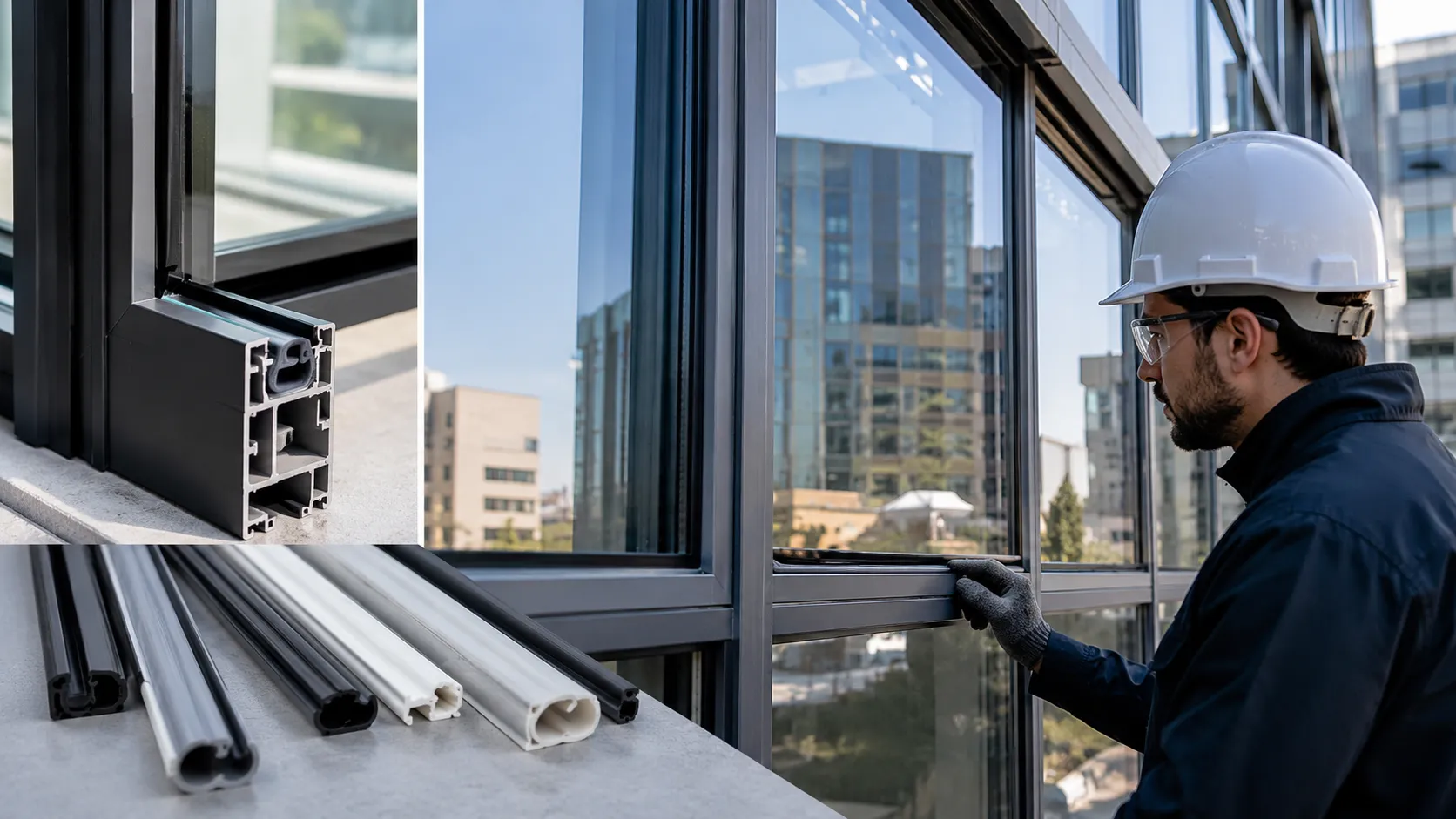
Walk into two office buildings during peak summer, and you can often feel the difference immediately. One feels comfortable and balanced. The other feels warm near the windows even though the air conditioning is running constantly.
In many cases, the problem is not the glass. It is the sealing system around it.
Poor sealing allows air leakage, moisture entry, and thermal transfer around the window frame. That is why many modern projects now focus more on flexible sealing profiles for windows to improve insulation performance and reduce long-term energy loss in commercial spaces.
From what I have seen in glazing and façade projects, window seals are usually ignored until problems start appearing. But honestly, they are one of the most important parts of any energy-efficient building envelope.
Why Window Seals Matter in Commercial Buildings
Commercial buildings depend heavily on controlled indoor temperatures.
When windows are not sealed properly, outside air enters through small gaps around the frame and glazing system. This increases HVAC load and creates uneven indoor temperatures.
Good window seals for commercial buildings help control:
- air leakage
- moisture entry
- dust infiltration
- heat transfer
- external noise
Even small sealing failures can affect energy use across large buildings.
What Are Window Seals?
Window seals are flexible components installed around glazing systems and window frames to close gaps and create airtight insulation.
These seals are commonly made using:
- PVC
- EPDM rubber
- silicone
- thermoplastic materials
Modern commercial glazing often uses flexible PVC window seals because they offer good durability and dimensional stability.
How Window Seals Affect Energy Efficiency
This is where things become important for building performance.
1. Reducing Heat Loss Through Windows
Windows are naturally weaker insulation points compared to walls.
If sealing systems fail, warm or cool air escapes through frame gaps. This directly increases indoor energy loss.
Good thermal insulation window seals help create better thermal barriers around glazing systems.
In practical terms:
Better sealing = lower HVAC workload.
This is especially noticeable in commercial buildings with large glass façades.
2. Improving Airtight Window Systems
Air leakage is one of the biggest hidden reasons behind poor energy efficiency.
Poor sealing can cause:
- temperature fluctuations
- air drafts
- higher cooling demand
- reduced occupant comfort
Airtight window seal profiles reduce unwanted air movement around glazing systems.
In my experience, even high-performance glass performs poorly when the sealing system around it is weak.
3. Supporting Commercial Façade Insulation
Modern buildings rely heavily on façade glazing systems.
Large glass surfaces create greater exposure to outdoor temperatures, making proper sealing even more important.
Commercial window sealing solutions help maintain stable indoor conditions by reducing thermal bridging around frames and joints.
This becomes critical in:
- office towers
- hotels
- hospitals
- shopping complexes
- commercial refrigeration areas
Common Window Seal Problems in Commercial Buildings
Not every seal performs the same way. Poor material selection and weak profile design usually create long-term problems.
Air Leakage Around Frames
This is one of the most common issues.
Gaps around windows allow conditioned air to escape continuously. Building operators often notice higher electricity bills without realising the sealing system is the actual problem.
Moisture and Water Entry
Bad sealing allows rainwater and moisture infiltration around glazing systems.
Over time, this may lead to:
- frame damage
- mould growth
- internal wall staining
- insulation failure
Weather-resistant window seals help reduce these risks significantly.
Seal Shrinkage and Cracking
Low-quality sealing materials often harden or shrink after continuous exposure to sunlight and temperature changes.
This creates gaps in the system and weakens insulation performance.
I have personally seen cheap gasket profiles fail within a few years in high-temperature commercial applications.
Noise Leakage
Commercial buildings near roads or industrial zones often struggle with outside noise.
Flexible PVC window seals help improve acoustic insulation by reducing sound leakage through frame gaps.
Why Flexible PVC Window Seals Work Well
PVC sealing systems are widely used because they balance flexibility, durability, and cost efficiency.
Good PVC window gasket profiles offer:
- weather resistance
- stable flexibility
- easy installation
- thermal insulation support
- repeat production consistency
Many industrial window seal manufacturer companies now use advanced extrusion methods to improve sealing precision and long-term performance.
The Role of Window Sealing Profiles in Modern Glazing
Window sealing profiles are no longer simple rubber strips.
Modern commercial glazing window seals are engineered to support:
- thermal insulation
- airtight performance
- moisture protection
- movement flexibility
- façade system stability
This is especially important in aluminium glazing systems where thermal transfer can become a major issue.
Good sealing systems for aluminium windows help reduce edge leakage and improve overall insulation efficiency.
Common Window Profile Issues That Affect Energy Performance
Many energy problems actually begin with profile design itself.
Some common window profile issues include:
- uneven sealing pressure
- poor profile fit
- thermal gaps
- weak corner joints
- inconsistent extrusion dimensions
These problems usually become worse during seasonal expansion and contraction.
This is why profile accuracy matters so much in commercial projects.
Choosing the Right Window Seal Material
Different projects need different sealing materials.
PVC Flexible Seals
Best for:
- commercial glazing
- façade systems
- industrial applications
Advantages:
- good flexibility
- stable extrusion quality
- cost-effective production
EPDM Rubber Seals
Best for:
- outdoor weather exposure
- high movement applications
Advantages:
- excellent weather resistance
- long-term elasticity
Silicone Seals
Best for:
- specialised glazing systems
- high-temperature applications
Advantages:
- strong environmental resistance
- flexible performance
But honestly, for many commercial window systems, flexible PVC window seals for glazing systems usually provide the best balance between performance and manufacturing consistency.
How Good Window Seals Save Energy
Here is a simple breakdown.
| Window Seal Function | Energy Efficiency Benefit |
|---|---|
| Air leakage control | Lower cooling and heating loss |
| Thermal barrier sealing | Reduced heat transfer |
| Moisture protection | Better insulation stability |
| Airtight sealing | Improved indoor comfort |
| Flexible profile design | Better long-term sealing |
What Usually Works Best
From real project experience, these things usually give better results:
- proper profile design
- flexible sealing systems
- accurate extrusion dimensions
- weather-resistant materials
- consistent installation quality
What often fails is using low-cost sealing profiles without checking long-term durability.
Cheap seals may look acceptable initially, but after repeated temperature exposure they start shrinking, hardening, or losing flexibility.
That creates insulation gaps very quickly.
Why Repeat Manufacturing Quality Matters
Commercial projects often need repeat batches of sealing profiles over long timelines.
If dimensions vary between batches, installation problems become common.
This is why many façade manufacturers work with companies like M3 Extrusion for consistent window sealing profiles and custom extrusion support in commercial glazing applications.
Repeat production accuracy matters more than many buyers realise.
Signs of Good Commercial Window Seal Systems
Reliable window sealing systems usually have:
- consistent flexibility
- smooth profile finish
- dimensional accuracy
- thermal resistance
- weather durability
- stable fitting performance
Poor-quality profiles often show visible distortion or inconsistent compression.
Final Thoughts
Good window seals for commercial buildings do much more than block outside air.
They support thermal insulation, reduce energy loss, improve indoor comfort, and help commercial glazing systems perform properly over the long term.
In many buildings, the difference between efficient and inefficient performance comes down to small details like sealing quality and profile accuracy.
From what I have seen, investing in reliable sealing systems usually saves much more money later through lower maintenance and better energy efficiency.
FAQs
How do window seals improve energy efficiency in commercial buildings?
Window seals reduce air leakage and thermal transfer around glazing systems. This helps maintain stable indoor temperatures and lowers HVAC energy consumption. Proper sealing also improves indoor comfort and reduces heating or cooling loss through window gaps.
What are the best window seals for commercial buildings?
The best window seals depend on the application, weather exposure, and glazing system design. Flexible PVC window seals, EPDM seals, and thermal insulation window seals are commonly used because they offer durability, flexibility, and strong sealing performance.
Why do commercial window seals fail over time?
Commercial window seals often fail because of UV exposure, temperature changes, poor material quality, or weak installation practices. Low-grade sealing materials may shrink, crack, or lose flexibility, creating air leakage and reducing insulation performance.
How do flexible PVC window seals help commercial glazing systems?
Flexible PVC window seals improve airtight sealing around glazing systems and reduce heat transfer through window frames. They also help support moisture protection, weather resistance, and long-term insulation performance in commercial buildings.
What problems can poor window sealing cause?
Poor sealing can lead to air leakage, higher energy bills, moisture entry, condensation, temperature imbalance, and outside noise infiltration. Over time, these issues may affect building insulation performance and increase maintenance costs.
Are airtight window systems important for energy-efficient buildings?
Yes, airtight window systems help control indoor temperature more effectively by reducing unwanted air movement. This improves HVAC efficiency and supports better energy management in commercial buildings with large glazing areas.
Why are window sealing profiles important in façade systems?
Window sealing profiles help close gaps around glazing systems and improve insulation performance. In façade applications, proper sealing supports thermal barrier protection, weather resistance, and long-term structural stability under changing environmental conditions.